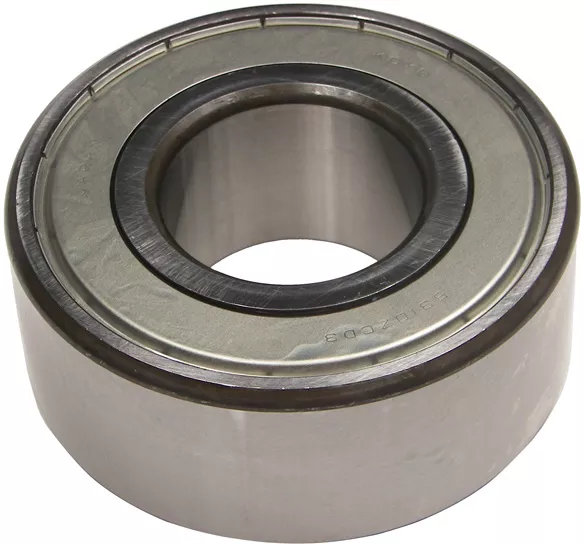
When you’re planting or drilling in tough conditions, the last thing you want is a bearing failure shutting down your operation. This double row ball bearing is built specifically for the demanding world of planters and grain drills, where dirt, moisture, and constant motion test every component. Whether you’re putting in corn, beans, wheat, or cover crops, this bearing keeps your equipment running smoothly when timing matters most.
What You’re Getting
- Double row design handles both radial and thrust loads better than single row bearings
- Metal shields on both sides keep dirt and debris out while retaining grease inside
- Round bore fits standard shafts without modifications or special tooling
- AgSmart quality means reliable performance season after season
- Direct replacement saves you downtime during critical planting windows
Built for Real Farm Work
This bearing is designed for the tough conditions planters and grain drills face every day. From the constant vibration of seed meters to the side loads from coulters cutting through residue, it handles the abuse that comes with putting seeds in the ground. Whether you’re running a small grain drill or a big planter covering hundreds of acres, this bearing keeps things turning when the weather window is right.
Made to Last
The double shields aren’t just for show—they’re your first line of defense against the dirt, chaff, and moisture that kill bearings in field conditions. The double row ball design distributes loads more evenly than single row bearings, which means longer life even when you’re pushing through tough ground or heavy residue.
Good to Know
Installation is straightforward since it’s a direct replacement with standard dimensions. Pack with quality bearing grease during installation, and check that the shields aren’t damaged during handling. If you’re replacing one bearing, it’s often smart to check others in the same assembly—they typically wear at similar rates.